Free Resources
Short courses and practical guides drawn from the latest research. Free — no catch. Designed for people who want to understand their body and make genuinely informed decisions about their health.
We believe the best clinical outcomes begin with a well-informed patient. These resources are built from the same research we use in clinical practice — explained clearly, without the watered-down version. Enrol, work through at your own pace, and come to any future appointment already understanding the mechanism behind your condition.
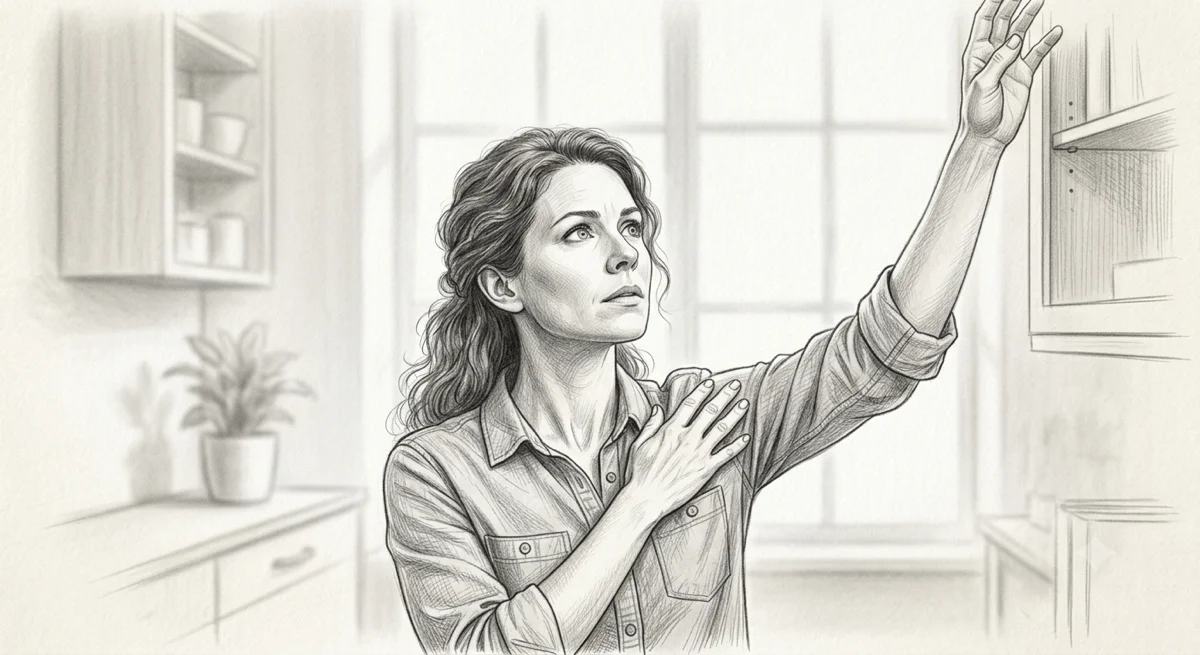
A clear, progressive loading plan for an irritable rotator cuff — and a better sense of whether you can settle it yourself or whether a hands-on assessment is worth it.
- What Rotator Cuff Tendinopathy Is
- Load Management & What to Avoid
- Phase 1 — Isometric Loading (Days 1–7)
- Phase 2 — Progressive Resistance (Days 7–14)
- Return to Overhead & the Long Game
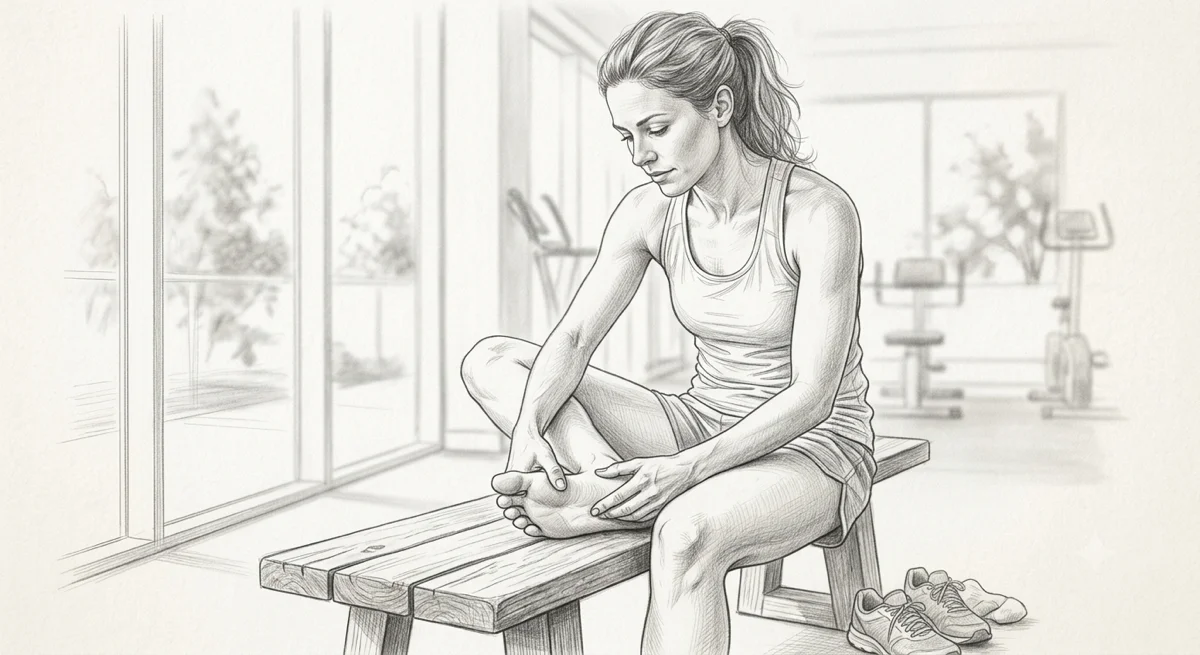
A structured two-week loading plan for stubborn heel pain — built on why the tissue behaves the way it does, not just a list of stretches.
- Why Most Treatment Falls Short
- Load Management & What to Avoid
- Phase 1 — Calf & Foot Exercises (Days 1–7)
- Phase 2 — Ankle & Posterior Chain (Days 7–14)
- Full Program Schedule & the Long Game
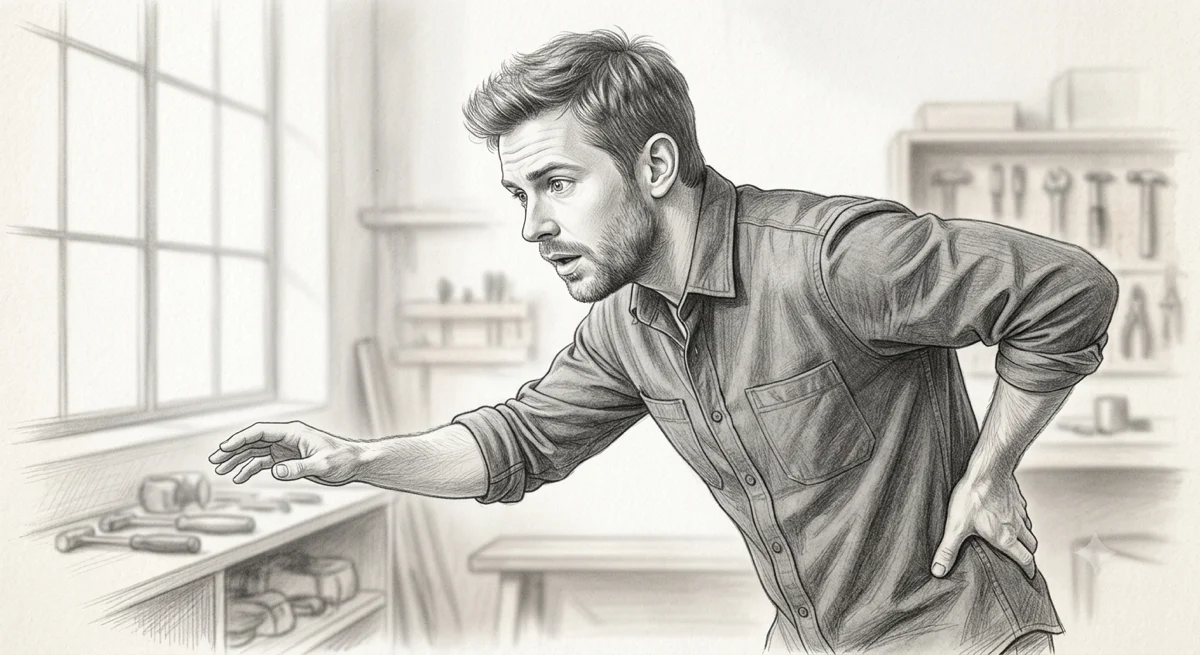
Four exercises across two weeks that train the back as a system — the canister, the thoracolumbar fascia and the slings — with enough of the why to keep going on your own.
- Why Most Programs Miss the Point
- Load Management & What to Avoid
- Phase 1 — Restoring the Canister (Days 1–7)
- Phase 2 — Loading the Slings (Days 7–14)
- Full Schedule & the Long Game

Understand what a sedentary working day actually does to your body — and the small, evidence-backed changes that make the biggest difference.
- What Sitting Does to Your Body
- The Research Most People Haven't Seen
- The Musculoskeletal Consequence
- What Actually Works
- The Long Game

See how breathing patterns feed neck, shoulder and back tension — and a simple protocol the nervous-system research supports for retraining them.
- What Dysfunctional Breathing Actually Is
- How Breathing Influences Neck, Shoulder & Back Pain
- The Nervous System Connection
- The Retraining Protocol
- The Long Game
More Short Courses
Further evidence-based short courses in development — covering movement, load management, and musculoskeletal health.
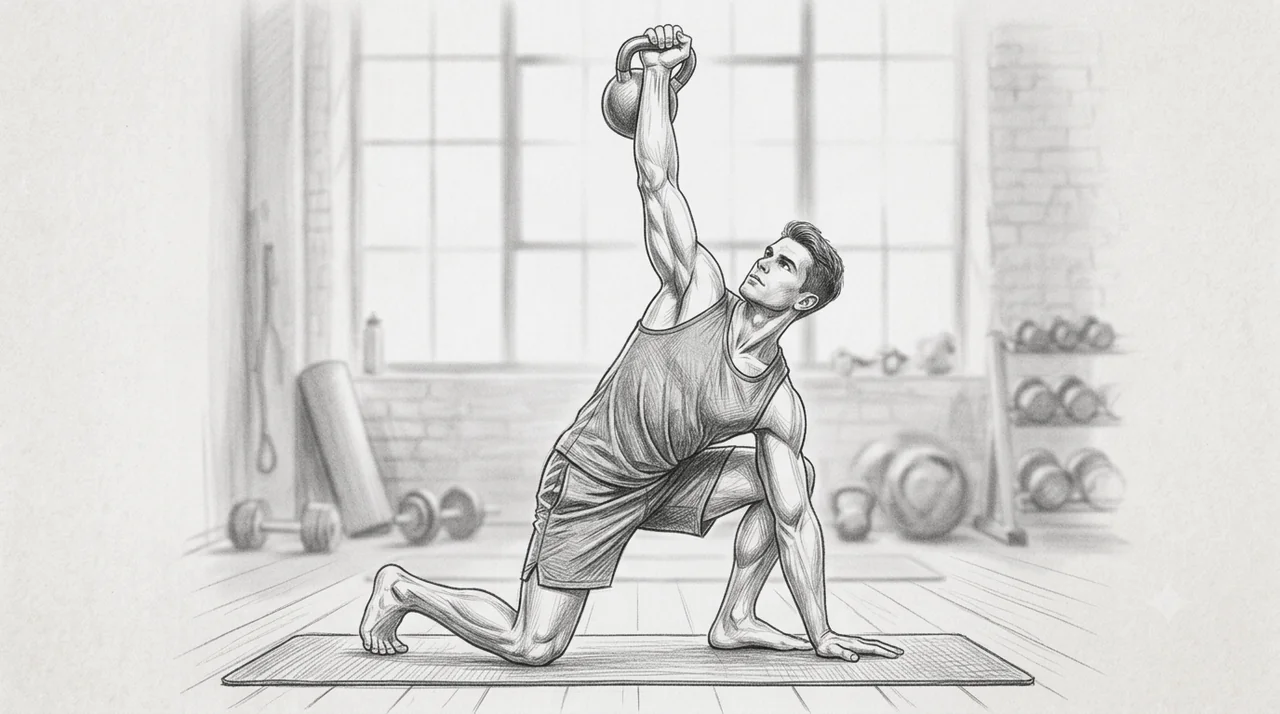
The four myofascial slings and a progressive stretch → strength → power sequence for each — closing with the Half Turkish Get-Up as a whole-body integrator.
- The Sling System — What It Is and Why It Matters
- The Deep Longitudinal Sling
- The Posterior Oblique Sling
- The Anterior Oblique Sling
- The Lateral Sling & Integration
Be first to know when the full program opens — the neuroscience of respiratory rhythm, CO₂ physiology, the panic-breathing loop, and a complete retraining protocol.
- The CO₂ Set-Point & Why It Shifts
- Breathing, the Brain & the Nervous System
- The Musculoskeletal Consequence
- Systematic Retraining Protocol
- The Long Game
More Signature Programs
Comprehensive in-depth programs covering movement, load capacity, and specific clinical topics — in development.
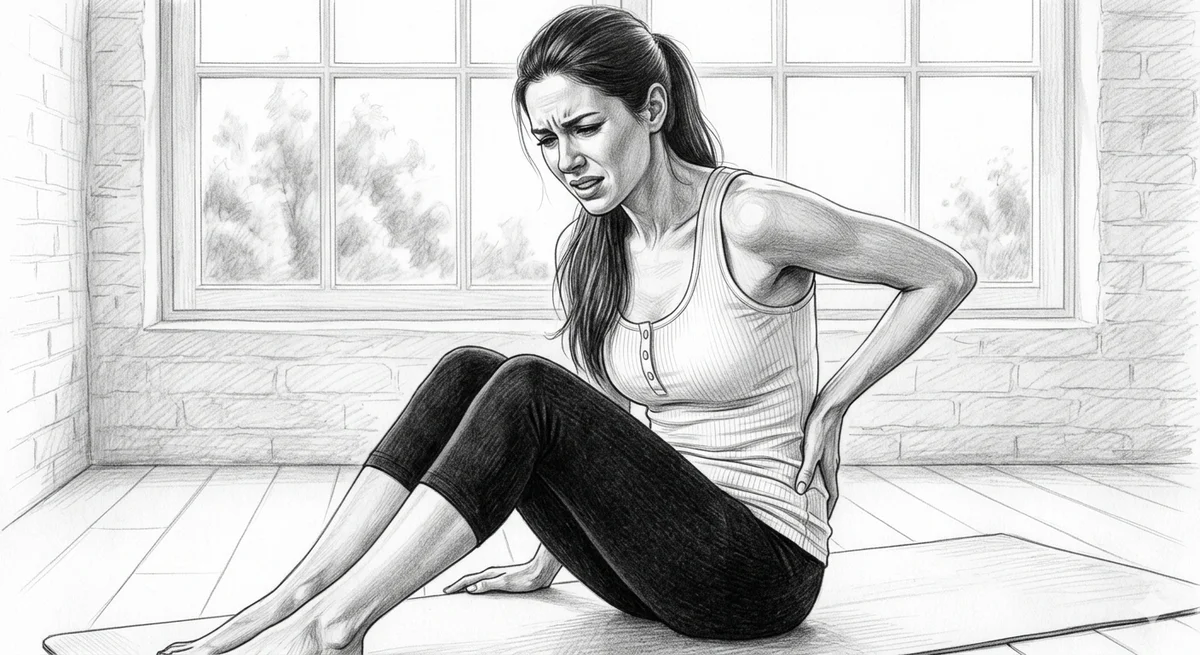
Why core exercises sometimes aggravate back pain instead of easing it — and why the lateral raphe, where your abdominal and back muscles must load together, is often the key.
Read Article →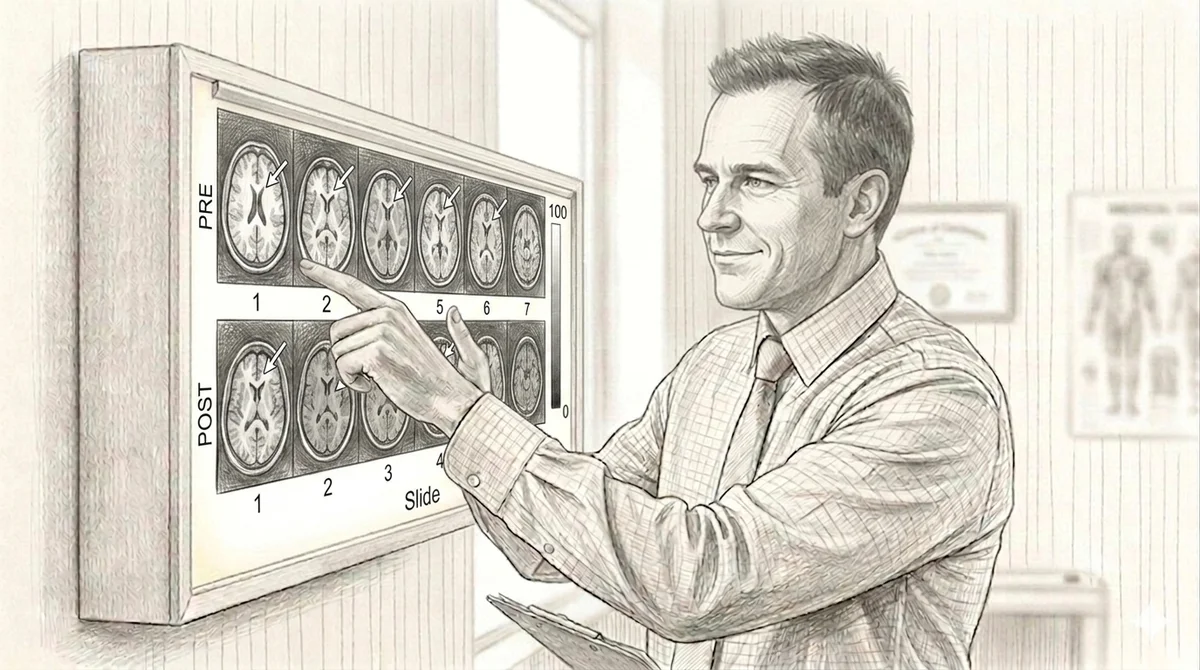
The first study to image deep fascial tissue before and after manual therapy — and what the T1ρ MRI findings mean for how we understand treatment.
Read Article →
Post-treatment soreness has a specific biological mechanism — and it explains why anti-inflammatory medication after fascial work is counterproductive.
Read Article →